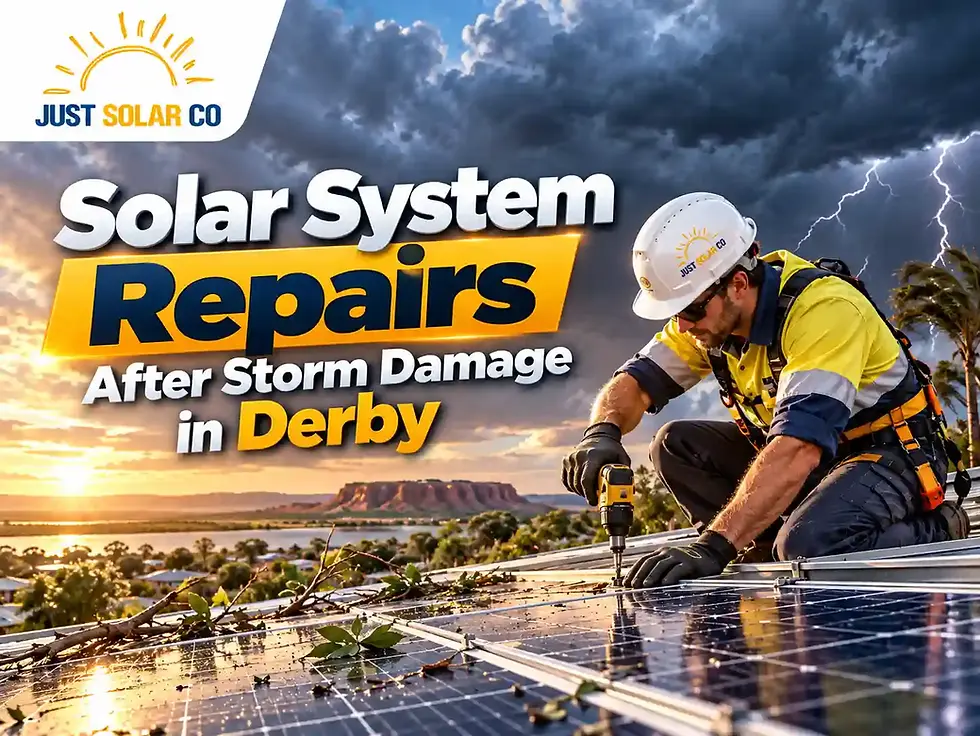
.png)
Why Isn't My Solar System Working? Common Faults Every Australian Homeowner Should Know
Solar panels are built to last, but that doesn't mean they're immune to problems. One day your system is producing plenty of electricity, and the next you're wondering why your power bills have jumped or why your inverter is flashing a warning light.
For many Australian homeowners, a solar system fault can feel stressful especially if you're unsure whether it's a quick fix or an expensive repair. The good news is that most solar problems have identifiable causes, and many can be repaired before they become major issues.
This guide explains the most common solar system faults, what causes them, how to spot the warning signs, and what you should do before calling a professional.
Key Takeaways
Most solar system problems start with the inverter, wiring, or panel damage.
A sudden drop in energy production is often the first warning sign.
Regular maintenance helps prevent expensive repairs.
Weather, dirt buildup, pests, and ageing components all affect system performance.
Never attempt electrical repairs yourself—always use a licensed solar technician.
Early fault detection can extend the lifespan of your entire solar system.

Why Your Solar System May Stop Working
Solar systems are made up of several components working together:
Solar panels
Inverter
Mounting system
DC and AC wiring
Safety isolators
Monitoring system
Battery (if installed)
If just one of these components develops a fault, the entire system can lose efficiency—or stop producing electricity altogether.
In Australia, factors such as extreme heat, storms, salt air near coastal regions, wildlife, and ageing equipment can all contribute to system failures.
Common Solar System Faults
1. Inverter Faults
The inverter is often called the heart of a solar power system. It converts the electricity generated by the panels into usable power for your home.
Because it operates continuously, it's also one of the most common components to fail.
Warning Signs
Red warning light
Error codes
No display
Constant restarting
Low energy production
Common Causes
Internal electronic failure
Overheating
Water ingress
Grid voltage issues
Age-related wear
Most residential inverters last around 10–15 years, meaning they usually need replacing before the solar panels themselves.
2. Dirty Solar Panels
Australia's climate creates ideal conditions for dust accumulation.
Dust, pollen, bird droppings, leaves, and pollution gradually reduce sunlight reaching the solar cells.
Signs
Gradual drop in output
Uneven production between strings
Visible dirt buildup
Cleaning frequency depends on your location.
Properties near farms, highways, coastal areas, or construction sites usually require more frequent cleaning.
3. Cracked or Damaged Solar Panels
Panels are designed to withstand hail and harsh weather, but severe storms, falling branches, or accidental impacts can still cause damage.
Look For
Cracked glass
Burn marks
Water inside panels
Broken frame
Delamination
Even a small crack can allow moisture inside the panel, eventually leading to corrosion and reduced efficiency.
4. Loose or Damaged Wiring
Solar systems operate with high-voltage DC electricity.
Loose connections or damaged cables can create serious performance and safety issues.
Common Causes
Poor installation
Rodent damage
Weather exposure
Ageing insulation
Corrosion
Signs include:
Intermittent power generation
Burning smell
Flickering inverter warnings
Reduced output
Electrical faults should always be inspected by licensed professionals.
5. Failed Solar Isolator
The solar isolator is a safety switch designed to disconnect the system during maintenance or emergencies.
Older isolators—particularly those exposed to Australia's harsh sun and rain—can fail over time.
Symptoms
Inverter won't start
Burning smell
Melted switch housing
System shuts down completely
Many older rooftop isolators installed before updated Australian standards have now reached replacement age.
6. Hot Spots on Solar Panels
A hot spot occurs when one section of a panel overheats because one or more cells stop working correctly.
This can happen because of:
Dirt
Shading
Cell damage
Manufacturing defects
Hot spots reduce efficiency and may permanently damage the panel if ignored.
Thermal imaging inspections are one of the best ways to identify these hidden problems.
7. Shading Problems
Solar systems perform best in direct sunlight.
Even partial shading from trees, antennas, chimneys, or neighbouring buildings can significantly reduce output.
Common Sources
Tree growth
New home construction
TV antennas
Vent pipes
Bird nests
If your system produced well for years and suddenly dropped, new shade may be the culprit.
8. Monitoring System Errors
Sometimes the solar system itself is working perfectly—the monitoring platform isn't.
Internet outages, software updates, or communication failures can prevent production data from appearing.
Symptoms
Missing production data
App offline
Incorrect readings
Always confirm the inverter is still operating before assuming there's a hardware fault.

9. Battery Storage Issues
Homes with solar batteries may experience faults unrelated to the panels themselves.
Possible issues include:
Battery communication errors
Reduced storage capacity
Temperature protection shutdown
Firmware problems
Age-related degradation
Battery monitoring systems usually provide detailed fault notifications that can help technicians diagnose the issue quickly.
10. Ageing Components
No solar system lasts forever.
Although panels commonly carry performance warranties of 25 years or more, other components age faster.
Component | Typical Lifespan |
Solar Panels | 25–30+ years |
Inverter | 10–15 years |
Battery | 10–15 years |
Isolators | 10–15 years |
Monitoring Hardware | 10–15 years |
Older systems naturally become more susceptible to faults over time.
Signs Your Solar System Needs Attention
Watch for these warning signs:
Higher electricity bills
Lower daily energy generation
Inverter warning lights
Frequent shutdowns
Error messages
Visible panel damage
Water inside equipment
Burning smells
Unusual noises
Monitoring app showing zero production
Ignoring these signs often leads to more expensive repairs later.
How Professionals Diagnose Solar System Faults
Licensed technicians use specialised equipment that goes well beyond a visual inspection.
Common testing methods include:
Visual Inspection
Checking for:
Damaged panels
Loose cables
Corrosion
Animal damage
Water ingress
Electrical Testing
Technicians measure:
Voltage
Current
Insulation resistance
Earth continuity
These tests quickly identify wiring or inverter faults.
Thermal Imaging
Infrared cameras reveal:
Hot spots
Overheating connectors
Failing cells
Loose electrical connections
Many hidden faults become immediately visible with thermal imaging.
Performance Analysis
Technicians compare your system's actual energy production against expected output based on:
Weather
Panel orientation
System size
Historical performance
This helps pinpoint gradual efficiency losses.
What You Should Do Before Calling a Solar Technician
Some basic checks can save unnecessary service costs.
Check Your Inverter
Look for:
Warning lights
Error codes
Blank display
Many manufacturers explain common codes in the user manual.
Restart the Monitoring App
Occasionally, communication simply needs reconnecting.
Check your internet connection before assuming the system has failed.
Inspect the Panels From the Ground
Look for obvious issues such as:
Broken glass
Heavy dirt
Fallen branches
Bird nests
Never climb onto the roof yourself.
Review Your Electricity Bills
A sudden increase may indicate your solar system isn't generating enough power.
Comparing current bills with previous years can reveal gradual performance declines.
Preventing Solar System Faults
Preventative maintenance costs far less than emergency repairs.
Good habits include:
Annual professional inspections
Cleaning panels as required
Monitoring daily production
Trimming nearby trees
Keeping ventilation around the inverter clear
Updating inverter firmware where recommended
Replacing ageing components before failure
These simple steps can significantly improve long-term reliability.

Fault Severity Guide
Fault | Impact | Urgency |
Dirty panels | Low | Low |
Minor shading | Medium | Medium |
Monitoring issue | Low | Low |
Inverter error | High | High |
Wiring damage | High | Immediate |
Water ingress | High | Immediate |
Cracked panel | Medium–High | High |
Hot spots | High | High |
Failed isolator | High | Immediate |
Battery fault | Medium–High | High |
Why Professional Repairs Matter
Solar systems operate using high-voltage electricity.
DIY repairs can:
Void warranties
Damage equipment
Create fire hazards
Lead to electric shock
Breach Australian electrical regulations
Licensed solar technicians have the equipment and expertise to diagnose faults safely and ensure repairs comply with Australian Standards.
Professional servicing also helps maintain warranty coverage and keeps your system performing at its best.
Final Thoughts
Solar systems are among the most reliable home energy investments available, but like any electrical equipment, they require occasional maintenance and timely repairs.
Whether the issue is a failing inverter, damaged wiring, dirty panels, or an ageing component, identifying problems early can prevent larger repair bills and reduce lost energy production.
Pay attention to warning signs such as lower electricity generation, unusual inverter messages, or visible panel damage. Regular inspections and proactive maintenance will keep your system operating efficiently for many years, helping you maximise your investment and continue enjoying lower energy costs.
Ready to Get Your Solar System Back to Peak Performance?
If your solar system isn't producing the energy it should, don't wait for the problem to get worse. Arrange a professional inspection to identify faults early, restore system efficiency, and protect your investment. Whether you need expert repairs, a system health check, battery storage advice, or you're considering upgrading to a new solar solution, qualified solar specialists can help you get the most from your renewable energy system.
FAQs
1. Why isn't my solar system working even though it's sunny?
A solar system can stop producing power for several reasons, including inverter faults, tripped safety switches, damaged wiring, dirty panels, or communication errors. Start by checking your inverter for warning lights or error codes. If everything appears normal but production remains low, arrange a professional inspection to identify the cause safely.
2. What are the most common solar system faults in Australia?
The most common solar system faults include inverter failures, dirty or damaged solar panels, loose wiring, failed isolators, shading from growing trees, monitoring system errors, and battery communication issues. Australia's harsh weather conditions, high temperatures, storms, and wildlife can also contribute to these problems over time.
3. How do I know if my solar inverter is faulty?
A faulty inverter may display a red warning light, error codes, a blank screen, or repeatedly restart itself. You may also notice a sudden drop in your home's solar energy production or higher electricity bills. If these symptoms appear, contact a licensed solar technician for diagnosis and repair.
4. Can dirty solar panels stop my system from working?
Heavy dirt, bird droppings, leaves, and dust can significantly reduce your system's efficiency, although they rarely stop it completely. In areas with high dust levels, coastal salt, or frequent bird activity, regular cleaning helps maintain optimal performance and energy generation.
5. Should I repair my solar system myself?
No. Solar systems operate with high-voltage electricity, making DIY repairs dangerous. Attempting to repair electrical components yourself can void warranties, create fire risks, and breach Australian electrical safety regulations. Always use a licensed solar installer or accredited technician for inspections and repairs.