.png)
How to Troubleshoot and Fix Common Solar Panel Problems
Solar energy systems are built to last, but no solar installation is completely free from issues. Over time, weather exposure, electrical faults, dirt accumulation, aging components, and installation defects can affect performance. Homeowners and businesses across Australia often notice unexpected drops in energy production, inverter warnings, or rising electricity bills without understanding the cause.
Understanding Common Solar Panel Problems and knowing how to Troubleshoot Solar Panel systems can help identify issues early, reduce downtime, and avoid expensive replacements. This guide covers the most frequent solar faults, practical troubleshooting methods, and the best repair and upgrade solutions for Australian solar owners.
Why Solar Panel Systems Develop Faults
Solar panels are exposed to harsh Australian conditions throughout the year. High temperatures, storms, hail, dust, salt air in coastal regions, and wildlife can all impact system performance. While quality solar systems can operate efficiently for 25 years or more, supporting components such as inverters, wiring, connectors, and batteries may require maintenance or replacement during that period.

Common causes of solar system faults include:
Dirt and debris accumulation
Shading from growing trees
Inverter malfunctions
Damaged wiring
Faulty connectors
Weather-related damage
Panel degradation
Battery issues
Poor installation practices
Identifying these problems early can prevent major energy losses.
Common Solar Panel Problems and Their Causes
The table below highlights the most frequent solar system issues found across Australian residential and commercial installations.
Solar Problem | Common Cause | Impact on System |
Reduced Power Output | Dirt, dust, shading | Lower electricity generation |
Inverter Faults | Component failure, overheating | System shutdown |
Hot Spots | Damaged cells or poor connections | Reduced efficiency |
Micro-Cracks | Hail, thermal stress, transport damage | Long-term power loss |
Wiring Issues | Rodents, corrosion, loose cables | Safety risks and reduced output |
PID (Potential Induced Degradation) | Voltage leakage | Significant performance reduction |
Water Ingress | Damaged seals or poor installation | Electrical failures |
Battery Problems | Aging batteries or poor charging cycles | Reduced storage capacity |
How to Troubleshoot Solar Panel Performance Issues
A systematic inspection process helps identify the source of poor performance.
Check Your Inverter Display
The inverter acts as the control center of your solar system. Most modern inverters display performance data and fault notifications.
Look for:
Error codes
Warning indicators
Unexpected shutdowns
Low generation readings
Consult the manufacturer's guide to understand specific fault codes.
Review Energy Production Data
Compare current production with previous months or the same season in previous years.
Signs of a problem include:
Sudden output decline
Consistent underperformance
Unexpected spikes or drops
Monitoring apps often provide historical generation reports that make trends easier to identify.
Inspect for Dirt and Debris
Dust storms, pollen, bird droppings, leaves, and pollution can create a layer that blocks sunlight.
Common signs include:
Uneven panel appearance
Visible debris accumulation
Reduced output despite sunny conditions
Cleaning panels safely can restore lost efficiency.
Look for Shading Issues
Trees grow over time and new structures may create shade that did not previously exist.
Check for:
Tree branches
Antennas
Neighboring buildings
Roof additions
Even partial shading can significantly reduce energy production.
Signs Your Solar System Needs Repairs
Many faults produce clear warning signs before complete system failure.

Increasing Electricity Bills
A sudden rise in electricity costs often indicates reduced solar generation.
Inverter Warning Lights
Red lights, flashing indicators, or persistent error messages usually require professional assessment.
Physical Panel Damage
Visible damage may include:
Cracked glass
Burn marks
Delamination
Water penetration
Frequent System Shutdowns
Repeated shutdowns often point to inverter problems, wiring faults, or grid connection issues.
Solar System Repairs: Solutions for Common Faults
Professional repairs can restore system efficiency and improve long-term reliability.
Panel Cleaning and Maintenance
Regular cleaning helps remove:
Dust
Bird droppings
Salt deposits
Organic debris
In many Australian regions, annual cleaning can improve energy production.
Wiring Repairs
Electrical faults may involve:
Loose connections
Corroded terminals
Damaged insulation
Rodent damage
Licensed solar technicians should handle all wiring repairs.
Inverter Replacement
Inverters generally have shorter lifespans than solar panels.
Typical inverter lifespan:
String inverter: 10–15 years
Microinverter: 15–25 years
Replacing a failing inverter often restores significant lost performance.
Connector and Junction Box Repairs
Damaged connectors can create resistance, heat buildup, and energy loss.
Technicians use thermal imaging and electrical testing to locate these faults accurately.
Battery System Repairs
Battery storage systems may require:
Firmware updates
Cell balancing
Component replacement
Battery replacement
Proper maintenance helps maximize battery life.
Solar Fault Severity and Recommended Actions
The following table outlines common fault severity levels and recommended responses.
Fault Type | Severity | Recommended Action |
Dirty Panels | Low | Clean panels |
Minor Shading | Low | Trim vegetation |
Inverter Error Code | Medium | Diagnostic inspection |
Loose Wiring | Medium | Electrical repair |
Water Damage | High | Immediate professional repair |
Hot Spots | High | Panel testing and replacement |
Burnt Connectors | High | Emergency electrical service |
Major Panel Cracks | High | Panel replacement |
Solar System Upgrades That Improve Performance
Some performance issues are linked to aging technology rather than faults.
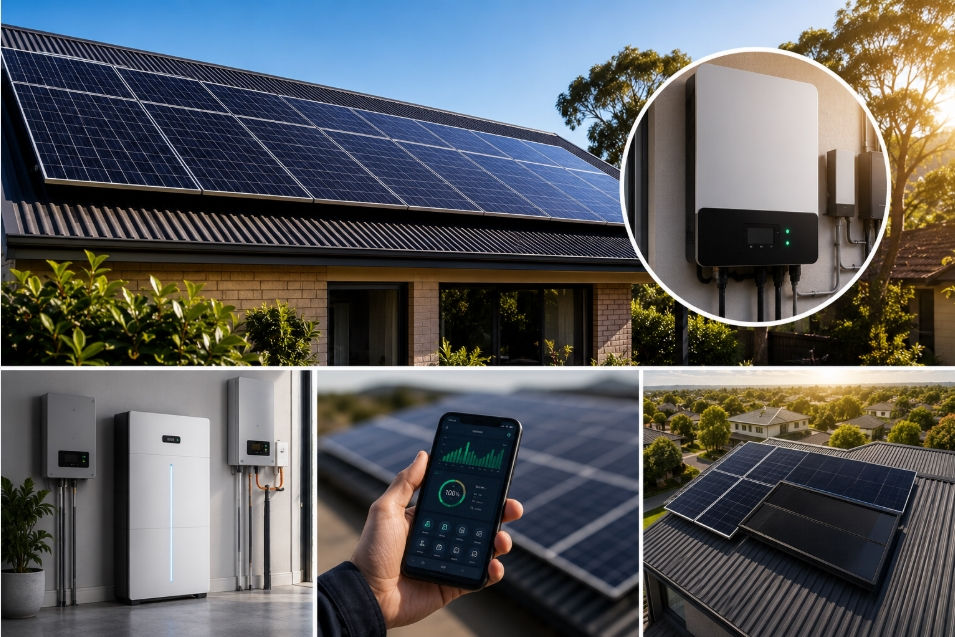
Upgrade to a Modern Inverter
New inverter technology offers:
Better efficiency
Advanced monitoring
Faster fault detection
Improved grid compatibility
Add Battery Storage
Battery upgrades provide:
Increased self-consumption
Backup power options
Reduced grid reliance
Install Monitoring Systems
Advanced monitoring helps identify faults before they become serious problems.
Benefits include:
Real-time performance tracking
Automated alerts
Historical reporting
Faster troubleshooting
Replace Aging Panels
Older systems may benefit from newer high-efficiency panels that generate more power from the same roof space.
Solar Panel Performance Insight
Australian Solar Performance Loss Trend
Issue | Average Efficiency Loss |
Dust and Dirt | 5%–15% |
Shading | 10%–80% |
Inverter Faults | 20%–100% |
Hot Spots | 10%–30% |
PID Degradation | 5%–25% |
Wiring Faults | 5%–20% |
Chart: Estimated Impact on Solar Output
Shading              ████████████████████████████████████ 80%
Inverter Fault       ██████████████████████████           60%
PID Degradation      ██████████                           25%
Hot Spots            ████████                             20%
Wiring Fault         ██████                               15%
Dirt & Dust          █████                                10%
Insight
Industry maintenance reports consistently show that inverter-related failures and shading issues account for the largest share of solar performance losses. Systems inspected annually typically maintain higher energy yields and experience fewer unexpected breakdowns compared to systems that receive little or no maintenance.
Preventing Future Solar Panel Problems
Preventive maintenance remains the most effective way to protect your investment.
Recommended practices include:
Annual professional inspections
Routine monitoring of system output
Prompt response to inverter alerts
Tree trimming and shading control
Safe panel cleaning schedules
Battery health assessments
Electrical safety checks
Proactive maintenance reduces repair costs and extends equipment lifespan.
Conclusion
Understanding Common Solar Panel Problems allows homeowners and businesses to identify faults before they become costly failures. Issues such as dirt buildup, shading, inverter faults, damaged wiring, hot spots, and water ingress can all reduce system performance. By learning how to Troubleshoot Solar Panel systems effectively and arranging professional Solar System Repairs when needed, Australian solar owners can maintain peak energy production and maximize long-term savings. Regular inspections, timely repairs, and strategic Faults & Upgrade decisions help ensure solar systems continue delivering reliable renewable energy for decades.
Frequently Asked Questions:
1. Why are my solar panels producing less electricity than expected?
Reduced solar output is commonly caused by dirt accumulation, shading, inverter faults, wiring issues, or natural panel degradation. Monitoring system performance can help identify sudden drops in production. A professional inspection can determine the exact cause and recommend the most effective repair or maintenance solution.
2. How do I know if my solar inverter is faulty?
Most inverters display warning lights, fault codes, or performance alerts when problems occur. Signs include system shutdowns, inconsistent energy production, or a complete loss of solar generation. Checking inverter monitoring data and consulting a qualified technician can help confirm the fault.
3. Can dirty solar panels reduce efficiency?
Yes. Dust, bird droppings, leaves, and pollution can block sunlight from reaching solar cells. Depending on local conditions, dirty panels may lose between 5% and 15% of their energy output. Regular cleaning helps maintain optimal performance and improve energy generation.
4. How often should solar panels be inspected in Australia?
Most solar professionals recommend a comprehensive inspection at least once per year. Regular inspections can identify wiring issues, inverter faults, panel damage, and safety concerns before they affect performance. Areas with heavy dust, storms, or coastal conditions may benefit from more frequent checks.
5. What causes solar panel hot spots?
Hot spots occur when part of a solar panel overheats due to damaged cells, poor electrical connections, manufacturing defects, or shading. These localized temperature increases can reduce efficiency and accelerate panel deterioration. Thermal imaging inspections are often used to detect hot spots accurately.
6. Is it worth repairing an old solar system or upgrading it?
The answer depends on system age, component condition, and energy needs. Minor faults are usually cost-effective to repair. However, older systems may benefit more from inverter upgrades, battery additions, or panel replacements that provide improved efficiency and modern monitoring features.
7. Can I troubleshoot solar panel problems myself?
Homeowners can safely perform basic visual inspections, monitor production data, and check inverter displays. However, electrical testing, wiring repairs, inverter servicing, and panel replacement should always be completed by licensed solar technicians to ensure safety and compliance with Australian regulations.