


.png)
South Perth - Solar Upgrades to Save Money

Electricity prices continue to rise across Western Australia, making many homeowners question whether their current solar system is still delivering the savings they expected. A system installed several years ago may no longer match today's household energy use, especially if you've added air conditioning, electric vehicles, home offices, or battery-ready appliances. Choosing Solar Upgrades South Perth is often more cost-effective than replacing an entire system. Modern solar panels generate more electricity in less space, batteries allow you to use more of your own energy after sunset, and smart inverters improve overall system performance.
Whether you own a family home in South Perth, manage a commercial property in Perth, or live anywhere across North of Alkimos, South West WA, Broome, Djugan, Billingurr, Cable Beach, Derby, Kimberley, or Roebuck, upgrading an existing solar system can significantly improve long-term savings.
Why Many South Perth Homes Need Solar Upgrades
Solar technology has improved dramatically over the past decade. Many systems installed between 2012 and 2018 were designed around lower household electricity consumption. Today's homes often use:
Reverse-cycle air conditioning
Home office equipment
Electric vehicle chargers
Swimming pool pumps
Smart home devices
Induction cooking
Heat pump hot water systems
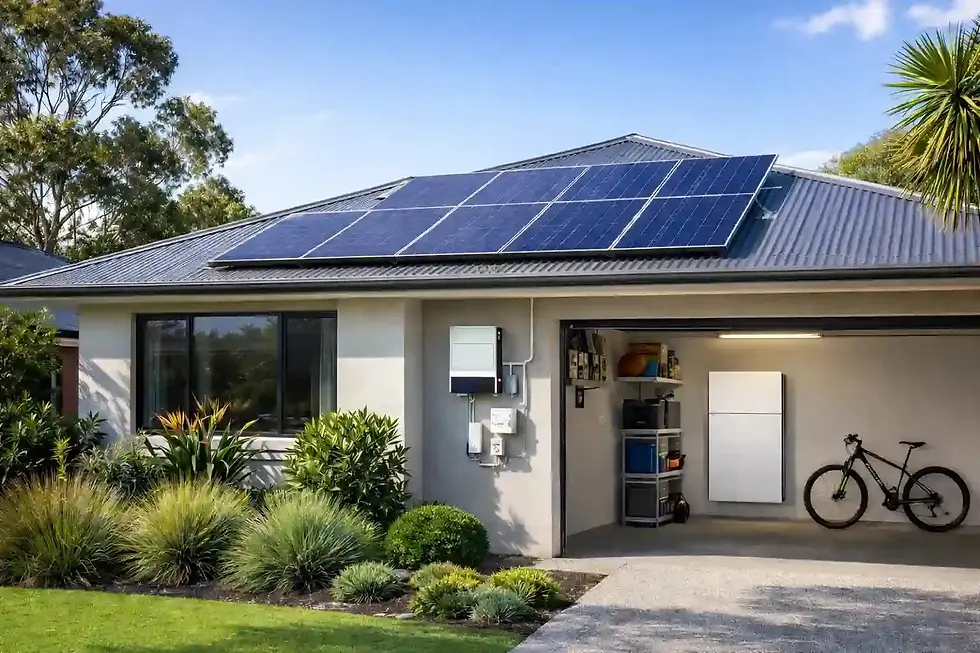
Older systems simply weren't designed for these additional electrical loads.
Common reasons for upgrading include:
Higher electricity bills
Aging solar panels
Inverter nearing end of life
Planning for battery storage
Increased daytime electricity usage
Home renovations
Growing family energy demand
How Solar Upgrades Reduce Electricity Costs
A properly designed upgrade improves both energy production and energy usage.
Instead of sending excess electricity back to the grid for a small feed-in tariff, newer systems help homeowners consume more of their own solar power.
Typical upgrade options include
Installing additional solar panels
Replacing an older inverter
Adding battery storage
Smart energy monitoring
Optimising panel layout
EV charger integration
These improvements increase self-consumption while reducing electricity purchased from the grid.
Common Solar Upgrade Options
Upgrade | Best For | Expected Benefit |
Additional Solar Panels | Growing families | Higher daytime generation |
New Hybrid Inverter | Older systems | Better efficiency and battery compatibility |
Battery Storage | Evening electricity use | Lower grid dependence |
Smart Monitoring | Every homeowner | Real-time energy management |
Panel Replacement | Aging installations | Improved production from smaller roof space |
EV Charger Integration | Electric vehicle owners | Lower charging costs |
What Type of Upgrade Is Right for Your Property?
Adding More Solar Panels
If your inverter still has spare capacity and roof space is available, adding extra panels is usually the most affordable upgrade.
Benefits include:
More daytime production
Faster return on investment
Better support for larger households
Reduced daytime electricity purchases
Replacing an Old Inverter
The inverter is the heart of every solar system. Most quality inverters operate efficiently for around 10–15 years.
Signs it may need replacement include:
Frequent fault messages
Reduced energy production
System shutdowns
No battery compatibility
Outdated monitoring software
A new inverter also prepares your property for future battery installation.
Installing Battery Storage
Battery storage has become one of the most popular upgrades across Western Australia.
Instead of exporting unused electricity to the grid, batteries store energy for later use.
Ideal for:
Evening energy consumption
Families working from home
Backup power (selected systems)
Electric vehicle charging
Commercial Solar Upgrades
Businesses often experience larger savings than residential properties because they consume more electricity during daylight hours. A professional commercial solar panel installer can upgrade systems by:
Increasing panel capacity
Installing commercial batteries
Replacing outdated inverters
Improving monitoring
Optimising system efficiency
Commercial upgrades are common across Perth, Broome, Derby and regional WA.
Which Upgrade Fits Your Situation?
Property Type | Recommended Upgrade | Primary Benefit |
Family Home | Additional panels + battery | Lower electricity bills |
New Home | Hybrid inverter | Future battery ready |
Apartment | Shared solar solutions | Reduced common area costs |
Rural Property | Larger solar array + battery | Energy independence |
Commercial Building | System expansion | Lower operating costs |
Holiday Home | Smart monitoring | Remote system management |
How Much Can You Save?
Savings depend on several factors:
Roof orientation
Electricity usage
System size
Battery capacity
Feed-in tariff
Household lifestyle
Homes using most of their electricity during daylight hours generally achieve the highest financial return.
Choosing Reliable Solar Panel Installers
Choosing experienced solar panel installers makes a significant difference in system performance and long-term reliability.
Look for a provider that offers:
CEC-accredited installers
Quality solar panels
Premium inverter brands
Battery installation expertise
Local Western Australian experience
Strong workmanship warranties
Ongoing maintenance support
Experienced installers also ensure compatibility between old and new equipment.
Solar Upgrades Across Western Australia
Although this guide focuses on South Perth, upgrade demand continues to grow across:
Perth
North of Alkimos
South West WA
Broome
Djugan
Billingurr
Cable Beach
Derby
Kimberley
Roebuck
Climate conditions vary between these locations, making proper system design essential. Professional Solar Service provider teams understand local weather, roof designs, and energy usage patterns across Western Australia.
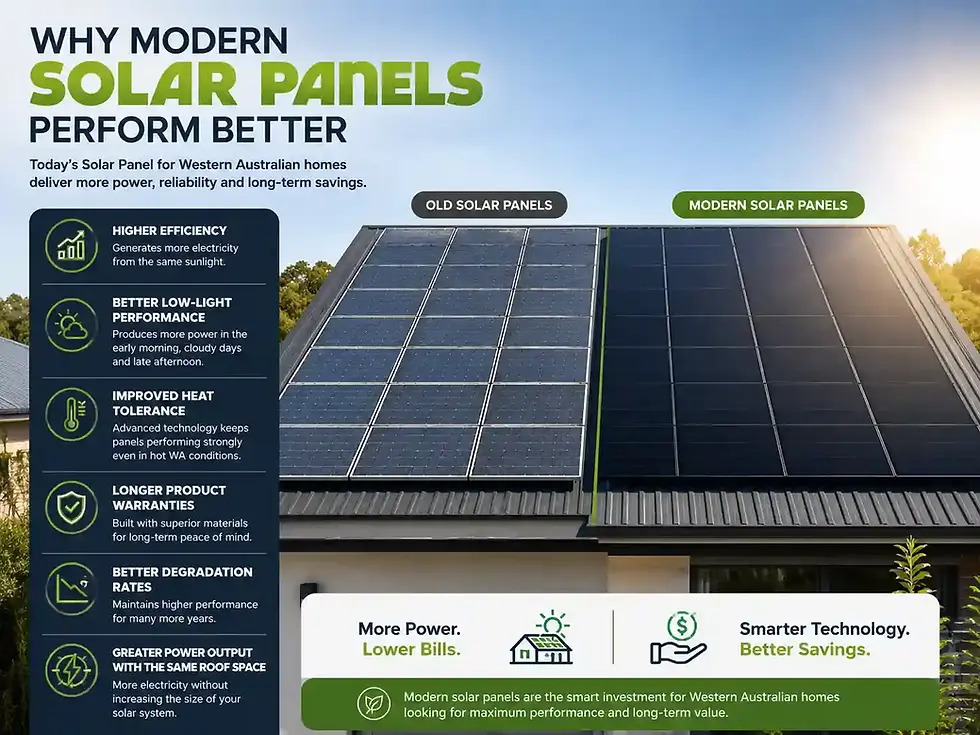
Why Modern Solar Panels Perform Better
Planning Your Solar Upgrade
Before upgrading, consider:
Current electricity bills
Age of existing system
Roof condition
Future electricity needs
Battery readiness
Electric vehicle plans
Budget
Available roof space
A professional assessment ensures every component works efficiently together.
Why Professional Solar Panel Installation Matters
Even premium equipment performs poorly if installed incorrectly.
Qualified teams specialising in solar panel installation understand:
Roof loading requirements
Cable sizing
Inverter positioning
Battery ventilation
System compliance
Grid connection standards
Professional installation also protects manufacturer warranties.
Final Thoughts
Upgrading an existing solar system is one of the smartest investments for homeowners and businesses across South Perth. Whether the goal is reducing electricity bills, preparing for an electric vehicle, increasing solar generation, or adding battery storage, modern technology offers far greater efficiency than systems installed just a decade ago.
Working with experienced solar panel installers and a trusted Solar Service provider helps ensure every upgrade is matched to your property's energy needs. From South Perth to Perth, North of Alkimos, South West WA, Broome, Djugan, Billingurr, Cable Beach, Derby, Kimberley, and Roebuck, professionally planned solar upgrades continue to deliver long-term savings, greater energy independence, and improved property value.
FAQs
1. Is it worth upgrading an existing solar system in South Perth?
Yes. Many systems installed years ago use older technology that produces less electricity than modern equipment. Adding new panels, replacing the inverter, or installing battery storage can improve efficiency, reduce electricity bills, and increase energy independence without replacing the entire solar system.
2. Can I add more solar panels to my current solar system?
In many cases, yes. Your installer will inspect the inverter capacity, roof space, wiring, and structural condition before recommending additional panels. Some older systems may require an inverter upgrade before extra panels can be safely installed.
3. How much does a solar system upgrade cost in Western Australia?
Costs vary depending on the upgrade. Adding panels is generally less expensive than installing a battery system. Inverter replacements, battery storage, and complete system expansions each have different pricing based on equipment quality and installation requirements.
4. Should I install a battery during my solar upgrade?
If your household uses most electricity during the evening or overnight, battery storage can significantly increase the amount of solar energy you consume yourself. Homes planning to purchase an electric vehicle may also benefit from installing a battery during the upgrade.
5. How do I choose the right solar panel installer for an upgrade?
Look for experienced installers with Clean Energy Council accreditation, strong warranties, quality equipment, local Western Australian experience, and positive customer reviews. A professional assessment helps ensure your existing system is compatible with any planned upgrades and performs safely for years to come.


