


.png)
Residential Solar Panel Mistakes to Avoid

A properly installed solar system in Australia can cut electricity bills by 50% to 70%, but that number depends entirely on getting the decisions right before installation day, not just choosing a panel brand people have heard of. Most of the regret homeowners feel a year or two into owning solar traces back to a small handful of avoidable mistakes made during the quoting and sizing process.
A Residential Solar Panel system is a 25-year investment, which makes an early mistake expensive in a way that compounds rather than stays small. This article covers the five mistakes that show up most often in WA solar installs, and what to check instead.

Why So Many Residential Solar Panel Systems Underperform From Day One
System performance is heavily influenced by installation quality and design decisions made before a single panel goes up, not by the panel brand itself. Two identical panel models can perform very differently depending on string design, inverter sizing, and whether the roof assessment actually accounted for shading across the full day. Most of what separates a system that pays for itself in six years from one that takes nine comes down to decisions made during quoting, not equipment quality.
Mistake #1: Chasing the Cheapest Quote Instead of the Best Value
Treating solar like a race to the bottom on price is consistently named the biggest mistake homeowners make. A rock-bottom quote usually means budget components, unsupervised installation labour, or corners cut somewhere that doesn't show up until months later.
Quote Red Flag | What It Usually Means | What to Ask Instead |
Price far below other quotes for a similar system size | Budget panels or inverter, or unaccredited and unsupervised installation labour | Ask for the specific panel and inverter model, then check the Clean Energy Council's approved products list |
No mention of accreditation | The installer may not hold Solar Accreditation Australia certification, risking your STC rebate eligibility | Ask to see accreditation credentials directly before signing anything |
Vague or undocumented warranty terms | Panel, inverter, and workmanship warranties may not be clearly written down or backed by a company likely to still exist in 10 years | Ask for warranty length and who specifically honours it, in writing |
Pressure to sign on the day of the quote | A common tactic used to prevent comparison shopping | Get at least two to three quotes before making a decision |

Mistake #2: Sizing a System for Today Instead of the Next Ten Years
Many homeowners size their system based purely on current electricity usage, without accounting for a future EV, a home battery, or a growing household. A family of five running air conditioning and charging an EV needs meaningfully more capacity than a couple who work full-time outside the home, but that difference only matters if it's planned for during the initial design rather than discovered later when the existing system can't support an upgrade.
Even homeowners not ready for a battery today are generally better off choosing a system that can support one later, rather than needing a partial rebuild to add it in a few years.
Mistake #3: Ignoring Rebate Timing and Fine Print
Solar and battery incentives in Australia aren't fixed, and assuming they'll stay the same while you take time deciding is a mistake that has a real dollar cost attached.
Incentive | How It Changes Over Time | What Waiting Costs You |
Small-scale Technology Certificates (STCs) | The deeming period reduces every January, lowering the certificate value each year | Delaying a year reduces the upfront discount applied to a new system |
Cheaper Home Batteries Program | The federal rebate rate now tapers roughly every six months, dropping from $300 to $244 per kilowatt-hour in May 2026 | Waiting for a better deal can mean missing a higher rate that's already gone by the time you install |
State-based additional rebates | These vary by state and can close with limited notice, as seen when WA's EV purchase rebate ended in May 2025 | Assuming a rebate will still exist next year is a genuine gamble, not a safe assumption |
Cheaper Home Batteries Program Rebate, Before and After May 2026
Before 1 May 2026   |████████████████████████  $300/kWh
From 1 May 2026      |███████████████████        $244/kWh
Figures reflect the federal Cheaper Home Batteries Program rebate rate, applied per kilowatt-hour of usable battery capacity for the first 14kWh installed.
Insight: The mistake isn't usually ignorance of these rebates, it's assuming there's no cost to waiting for a better offer. Every six-month tapering period on the battery rebate and every January reduction in STC deeming value represents a real, quantifiable amount of money that a homeowner loses simply by not committing sooner. Timing a purchase around a rumoured future deal almost always costs more than the wait was worth.
Mistake #4: Treating Installation Day as the Finish Line
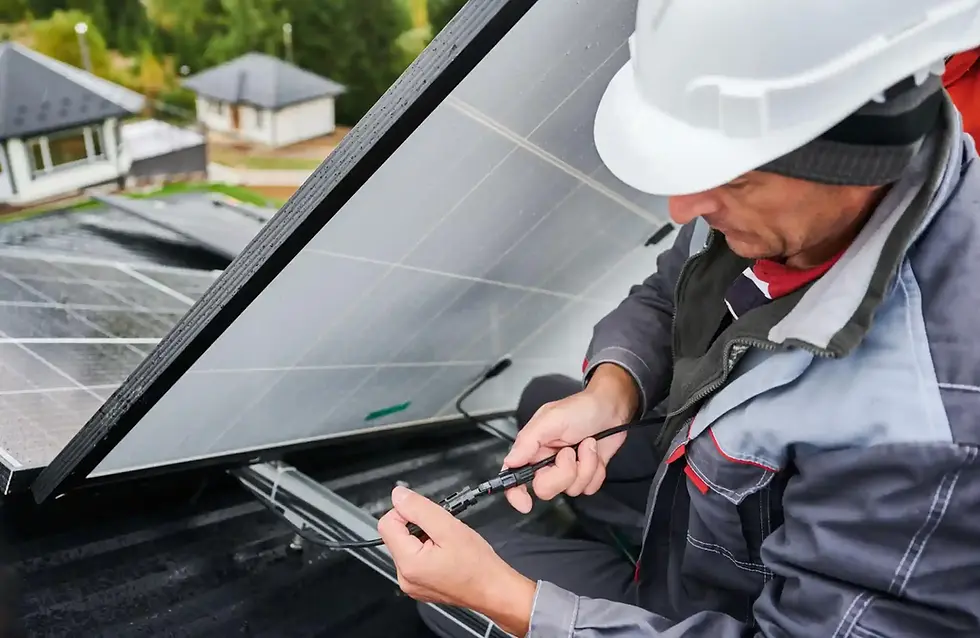
Solar panels require minimal maintenance, but minimal isn't zero, and completely ignoring the system after installation is itself a common mistake. Dust, dirt, and weather conditions degrade performance gradually over time, and a system that isn't checked periodically can run at reduced output for months before anyone notices a drop in savings. Roof condition matters just as much on the front end, installing panels on an old or damaged roof means paying to remove and reinstall the entire array when that roof eventually needs replacing, an entirely avoidable cost if it's addressed before installation instead of after. Checking the monitoring app periodically, and keeping an eye out for a sudden drop in generation, catches most of these issues before they become expensive.

Choosing a Solar Service Provider That Avoids These Mistakes for You
Just Solar Co, a Western Australian solar service provider, runs installs with in-house SAA-accredited electricians across Perth metro, the South West, and the Kimberley region, rather than subcontracted labour working off someone else's design and price point.
Families and Homeowners
Asking directly about future Home EV Charger or battery capacity during the initial quote avoids the sizing mistake that shows up two or three years later when an upgrade becomes necessary.
Rural and Regional Residents
Properties across the South West and Kimberley face additional roof complexity and freight considerations, and a commercial solar panel installer with genuine regional experience tends to catch these details that a metro-only quote might miss.
Apartment Owners
Body corporate approval and shared roof access change the mistakes worth watching for, mainly around confirming metering arrangements before assuming a straightforward individual install is possible.
FAQs
What is the most common mistake when buying solar panels?
Chasing the cheapest available quote rather than comparing value is consistently named the most common and costly mistake. A rock-bottom price usually reflects budget components, unaccredited labour, or corners cut in the design process that show up as underperformance later.
Should I buy the cheapest solar system available?
Generally no. The cheapest quote often means lower-quality panels or inverters, unsupervised installation, or vague warranty terms that leave you unprotected if something fails. Comparing at least two to three quotes on value, not just price, tends to produce a better long-term outcome.
How do I know if a solar installer is legitimate in Australia?
Confirm the installer holds Solar Accreditation Australia certification recognised by the Clean Energy Council, and check that the specific panel and inverter models are on the approved products list. A legitimate installer will provide this information without hesitation.
Is it better to size a solar system for current or future energy needs?
Future needs generally matter more. Sizing purely for today's usage often means a costly partial upgrade later if an EV, a battery, or a larger household changes energy demand. Planning for that capacity upfront is usually cheaper than retrofitting it afterward.
Does the solar rebate in Australia decrease over time?
Yes, both the Small-scale Technology Certificate scheme and the federal Cheaper Home Batteries Program reduce in value on a scheduled basis, STCs every January and the battery rebate roughly every six months. Waiting to install generally means a smaller rebate, not a better deal.
Getting Started
A Residential Solar Panel system performs the way it's supposed to when the decisions made before installation day are the right ones, comparing quotes properly, sizing for future needs, understanding rebate timing, and treating the system as something to check in on rather than forget about entirely.
Just Solar Co Servicing Perth Metro, the South West, and the Kimberley region, WA Phone: 08 6337 4019 Website: justsolarco.com.au
Get in touch for a quote that accounts for your current and future energy needs, built by an in-house accredited team from the start.


