


.png)
Solar Panel Upgrades That Prepare Homes for EVs

An EV sitting in the driveway changes a household's power usage more than most people expect before they actually own one. A solar system sized years ago for lights, appliances, and a standard family routine often isn't built to handle an EV charger pulling several kilowatts overnight on top of everything else. Solar panel upgrades planned before an EV arrives, rather than after, tend to save WA households from discovering the gap the hard way, through a bigger grid bill than expected.

Why WA Households Are Upgrading Solar Panels Before Buying an EV
EV uptake in Western Australia has moved fast enough that most existing solar systems were never designed with it in mind. The WA Department of Transport and Major Infrastructure's June 2026 quarterly data shows 63,241 light EVs now licensed across the state, made up of 48,109 battery electric vehicles and 15,132 plug-in hybrids.
WA EV Uptake Snapshot (June 2026 Quarter) | Figure |
Light EVs licensed in WA | 63,241 (48,109 BEV, 15,132 PHEV) |
Share of new light vehicle licenses that were EVs, Q2 2026 | 24 percent |
Quarterly EV growth, Q2 2026 | 19.9 percent (up from 12.2% in Q1) |
WA's public ultra-fast charger density | Over 200 EVs per charger, above the 144 national average |
That last figure matters more than it might seem. WA's relatively thin public fast-charging network, compared to the national average, is a big part of why home charging has become the default option for most new EV owners rather than a backup plan.
How Much Extra Power an EV Actually Needs
A typical home EV charger pulls considerably more power than most household appliances combined. Charging overnight means a solar system sized purely around daytime household use, lights, appliances, a standard fridge and air conditioning load, often wasn't built with that extra overnight draw in mind at all.

EV Charging and Grid Setup | Typical Load/Limit |
Level 2 home EV charger | 7 - 22 kW draw, depending on charger and vehicle |
Single-phase inverter limit (Western Power SWIS) | 10kW inverter, 5kW export |
Three-phase inverter limit (Western Power SWIS) | 30kW inverter, 15kW export |
Full EV battery charge (varies by model) | Commonly 40 - 80kWh |
Solar Panel Upgrades That Matter Most for EV Charging
Not every upgrade needs to mean a full system replacement. For many households, the most cost-effective solar panel upgrades involve adding panel capacity to an existing array, reassessing whether the current inverter can handle the additional load, and confirming the system was designed with enough headroom for an EV charger running on top of normal daily use. A residential solar panel system installed years before EV ownership was even a consideration often needs this kind of targeted upgrade rather than a ground-up rebuild.
Insight: With EVs now making up 24 percent of new vehicle sales in WA, a lot of households are adding a major new electrical load to a solar system that was sized for a completely different usage pattern. Upgrading panel capacity and confirming inverter headroom before the EV arrives is generally far cheaper than resizing a system twice, once for the original household and again after discovering the existing setup can't support overnight charging.

Inverter and Export Limits: What WA Homeowners Need to Check First
Western Power's network rules set firm limits on inverter size and export capacity across the SWIS grid, and these limits directly shape what any solar panel upgrade can realistically achieve. Single-phase properties are generally capped at a 10kW inverter with a 5kW export limit, while three-phase properties can go up to a 30kW inverter with a 15kW export limit. A commercial solar panel installer or residential provider should confirm which category a property falls into before recommending any upgrade, since exceeding these limits without proper approval isn't just a technical issue, it's a compliance one.
Battery Storage and EV Charging Working Together
Battery storage and EV charging solve different but related problems. A battery captures excess daytime solar generation for use later, while EV charging typically happens overnight when solar generation has stopped entirely. Pairing solar panel upgrades with battery storage lets a household shift more of its own generated power toward EV charging instead of relying on grid electricity at whatever rate applies overnight, which is often where an EV owner sees the biggest difference in their actual running costs.
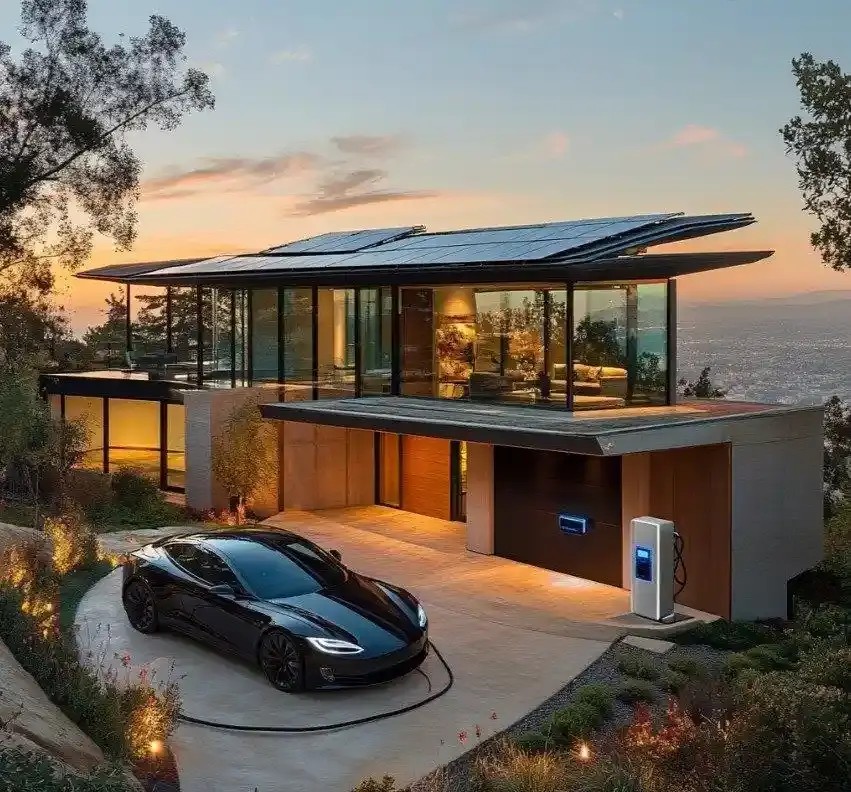
Preparing your home for EV charging starts with reliable solar power. Professional solar panel upgrades and Solar System repairs can improve system performance, increase energy production, and support higher electricity demand. Upgrading panels, inverters, batteries, and wiring helps create a dependable home energy system designed to efficiently power your EV and everyday appliances.
Planning Solar Panel Upgrades With a Solar Service Provider
Working with an experienced solar service provider matters more for an EV-focused upgrade than it might for a standard installation, since sizing has to account for both current household use and anticipated EV charging patterns at once. Just Solar Co, servicing Perth Metro, the South West, and the Kimberley region, uses in-house SAA-accredited electricians rather than subcontractors for every job, which keeps upgrade work and EV charger installation under one team's accountability from assessment through completion.
FAQs
Do I need to upgrade my solar panels before getting an EV charger?
Not always, but many existing systems were sized before EV ownership was a consideration and may not generate enough daytime power to meaningfully offset overnight charging. A solar service provider can assess your current system against expected EV charging needs before you commit to a charger installation.
How many solar panels do I need to charge an EV in WA?
It depends on daily driving distance, charger type, and existing household consumption. A typical daily commute might only need a modest addition to an existing system, while a household planning to charge a larger EV battery regularly may benefit from a more substantial panel upgrade.
Can my existing inverter handle an EV charger?
It depends on your current inverter size and Western Power's export limits for your connection type. Single-phase properties are generally capped at a 10kW inverter, while three-phase properties can go up to 30kW, so checking your existing inverter's headroom is an essential first step.
Is battery storage worth it if I have an EV?
For many households, yes, since EV charging typically happens overnight when solar generation has already stopped. Battery storage lets a household use stored daytime solar generation for overnight charging instead of drawing entirely from the grid at whatever rate applies after dark.
How much does it cost to upgrade a solar system for EV charging?
Cost depends on whether the upgrade involves adding panels, replacing an inverter, or both, along with whether battery storage is added at the same time. A site assessment from a solar service provider gives a far more accurate estimate than a general figure based on system size alone.
If an EV is in your future, planning your solar panel upgrades now can save a second round of work later. Just Solar Co provides solar panel installation, upgrades, battery storage, and EV charger installation across Perth Metro, the South West, and the Kimberley region. Call 08 6337 4019 to arrange an assessment.


