


.png)
Common Solar System Faults in Canning Vale Homes

When a Solar System Stops Pulling Its Weight
Canning Vale has plenty of homes with rooftop solar now, many installed five to ten years ago during the early rebate years. A lot of those systems are starting to show their age, and homeowners often notice something's off before they know exactly what's wrong. Maybe the power bill crept up despite no change in usage. Maybe the inverter display shows a code nobody's bothered to look up. This guide walks through the faults that show up most in Canning Vale homes and what each one usually means.
Why Canning Vale Systems Face Specific Wear Patterns
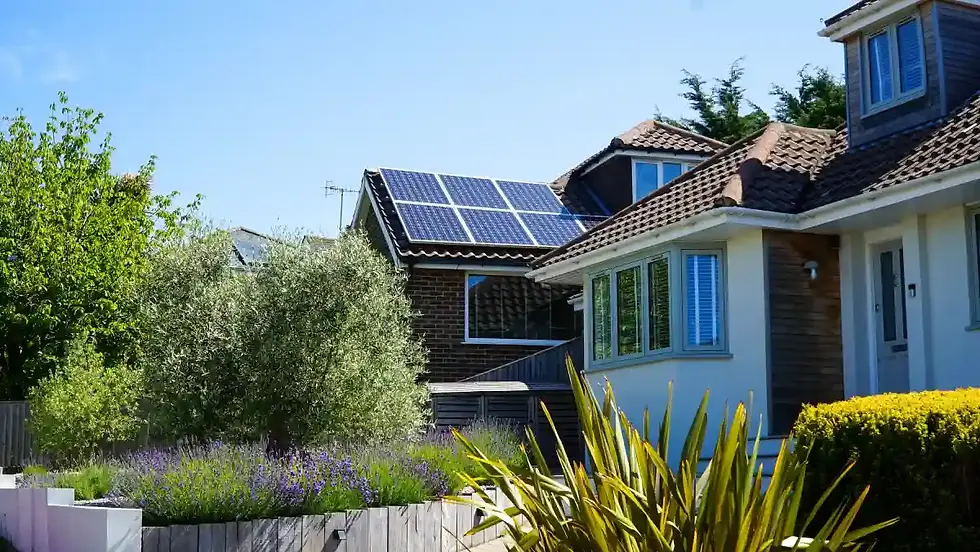
Canning Vale sits inland from the coast, which means less salt exposure than beachside suburbs, but summer heat still takes a toll on rooftop equipment. Long, hot stretches push inverters and panels harder, and older systems installed before 2018 often used cheaper components that weren't built for 15+ years of Perth summers. Homes with tile roofs (common across Canning Vale) also see a specific issue: mounting brackets that weren't sealed properly during installation, leading to slow water ingress that shows up years later as corrosion.
The Most Common Solar System Faults
Inverter Failure or Error Codes
The inverter is usually the first thing to fail, and it's the most common repair call for any solar service provider. Inverters typically last 8–12 years, shorter than the 20–25 year lifespan of the panels themselves. A flashing red light, an error code, or a inverter that's gone completely silent all point here.
Dropping Output Without Obvious Cause
If your system produces noticeably less power than it used to, and nothing has changed about your roof or the weather, a few things are usually behind it: dirty panels, a failing string of panels, or a degraded inverter that's no longer converting power efficiently.
Faulty Isolators or DC Switches
Isolators can corrode or fail, particularly in systems that haven't been serviced in years. A failed isolator sometimes shuts the whole system down as a safety measure, even if the panels themselves are fine.
Loose or Corroded Wiring Connections
Heat cycling (hot days, cooler nights) causes wiring connections to expand and contract repeatedly over years. Eventually, connections loosen, and this shows up as inconsistent output or intermittent faults that come and go.
Micro-Cracks in Panels
Hail, thermal stress, or a poor installation can cause tiny cracks in solar cells that aren't visible from the ground. These reduce output gradually rather than causing a sudden failure, which is why they often go unnoticed for years.

Common Faults and What They Usually Mean
Fault | Typical Cause | Repair Cost Range | Urgency |
Inverter failure | Age (8–12 year lifespan), heat stress | $1,500–$3,000 (replacement) | High |
Dropping output | Dirty panels, failing string, aging inverter | $150–$800 (cleaning/repair) | Medium |
Faulty isolator | Corrosion, age, poor initial install | $200–$500 | High (safety issue) |
Loose wiring | Heat cycling over years | $150–$400 | Medium |
Micro-cracks | Hail, thermal stress, poor install | $300–$1,200 per affected panel | Low to Medium |
How to Tell If Your System Needs a Check-Up
A few warning signs suggest it's time to call a solar panel installer for an inspection rather than waiting:
Your power bill increased despite similar usage patterns
The inverter display shows an unfamiliar code or has gone blank
You notice a burning smell near the switchboard or inverter (stop using the system and call someone immediately)
Your system is more than 7 years old and hasn't been serviced
Panels show visible discoloration, cracking, or bird damage underneath
Insight: Systems that go without any inspection for more than 5 years show a noticeably higher rate of undetected faults, often losing 10–20% output before anyone notices. A basic check-up every 2 years catches most issues while they're still a cheap fix rather than an expensive one.

What a Solar Health Check Actually Involves
A proper inspection from a solar service provider typically covers:
Visual inspection of panels for cracks, discoloration, or debris
Inverter performance check against expected output
Isolator and switch testing for corrosion or wear
Wiring connection check at accessible points
Comparison of actual output against system specifications
Most inspections take 1–2 hours and cost significantly less than the repair bill for a fault caught too late.
Chart: Where Solar Faults Typically Show Up in Aging Systems
Inverter Issues         ████████████████████     38%
Panel Output Decline    ████████████              22%
Wiring/Connections      █████████                 17%
Isolator/Switch Faults  ███████                   13%
Physical Panel Damage   █████                      10%
Inverter problems account for the largest share of service calls, which lines up with the inverter's shorter lifespan compared to the rest of the system. If your system is approaching the 8–10 year mark, budgeting for an eventual inverter replacement is realistic rather than pessimistic.
DIY Checks vs. Professional Inspection
Task | Can Homeowner Do This? | Recommended Frequency |
Visual check for debris or shading | Yes | Every few months |
Checking inverter display for errors | Yes | Monthly |
Cleaning panels (ground-level access) | Yes, with caution | 1–2 times per year |
Testing isolator/switch function | No (licensed electrician) | Every 2 years |
Full output performance audit | No (solar technician) | Every 2 years |
Roof access inspection | No (safety risk without training) | Every 2 years |
Solar Faults and Battery Storage Systems
Homes in Canning Vale with battery storage face a couple of additional fault points worth knowing about. Battery management systems can throw their own error codes separate from the solar inverter, and a fault in one doesn't always mean the other system is affected. If your battery stops charging but your panels still show normal daytime output, the issue is likely isolated to the battery unit or its dedicated inverter, not the whole system.
For Rural and Regional Properties Near Canning Vale
Properties on larger blocks or closer to the rural fringe sometimes deal with additional stressors: dust buildup from unsealed roads, longer cable runs that are more prone to connection issues, and less frequent access for a solar panel installer to perform routine checks. If you're in one of these areas, a slightly more frequent inspection schedule (every 12–18 months instead of 24) is a reasonable precaution.

When to Repair vs. When to Consider a System Upgrade
If your system is under 8 years old, most faults are worth repairing since the panels themselves likely have another 12–15 years of useful life left. If your system is older than 10–12 years and multiple components are failing at once, it's often more cost-effective to upgrade to a newer, more efficient system rather than patching an aging one piece by piece.
A commercial solar panel installer or residential specialist can usually give you a straight answer on which path makes more financial sense once they've seen the actual state of your equipment.
FAQs
Q1: How do I know if my inverter has failed?
Look for a red or flashing error light, an unfamiliar error code on the display, or a screen that's gone completely blank. Your solar production will also drop to zero or near-zero if the inverter has fully failed. Most inverters display a specific fault code that a technician can use to diagnose the exact issue.
Q2: Why has my solar output dropped even though nothing changed?
Dropping output with no obvious cause usually points to dirty panels, a failing string within the panel array, or a degrading inverter. New shading from a growing tree can also reduce output gradually enough that it's easy to miss. A performance check against your system's original specifications will identify the cause.
Q3: How often should I get my solar system inspected?
Most solar service providers recommend an inspection every 2 years for residential systems. Systems in dustier or more exposed locations, or those older than 10 years, may benefit from annual checks instead. Regular inspections catch small faults before they turn into expensive repairs or full component failures.
Q4: Is it normal for solar panels to lose efficiency over time?
Yes, panels naturally degrade by about 0.5–1% per year, which is expected and accounted for in manufacturer warranties. A sudden or sharp drop in output, rather than gradual decline, usually signals a fault rather than normal aging and is worth investigating.
Q5: Can I fix solar system faults myself?
Basic tasks like cleaning panels from ground level or checking your inverter display for error codes are safe for most homeowners. Anything involving the isolator, wiring, or rooftop access should go to a licensed solar technician, both for safety reasons and because DIY repairs can void warranties on the equipment.
Keeping Your System Running Properly
Solar systems don't usually fail all at once. They tend to degrade gradually, and by the time it's obvious something's wrong, you may have already lost months of efficient output. Regular check-ups catch the small stuff before it becomes the expensive stuff. If your Canning Vale home has a system older than 7 years and no recent inspection history, that's a reasonable place to start. A solar panel installer can tell you fairly quickly whether you're looking at a simple repair or something bigger.
Key Takeaways
Inverter failure accounts for the largest share of solar faults in aging systems
Systems older than 7 years without inspection show a higher rate of undetected issues
A check-up every 2 years catches most problems while they're still cheap to fix
Sudden output drops usually mean a fault; gradual decline is often normal panel aging
Rural and dustier properties near Canning Vale may benefit from more frequent inspections
Systems over 10–12 years with multiple failing parts are often better replaced than repaired piece by piece


